
Several weeks ago, I shared legacy lessons from this hit show Landman. The feedback I received was enthusiastic and affirming. Given that appetite to learn from TV drama, this week’s post highlights another brilliant series, also created by Taylor Sheridan, The Madison.
The Madison premiered on March 14 of this year and quickly garnered around 8 million global views early in its release. Set between the countryside of Montana and New York City, much of the filming actually took place throughout my hometown. Viewers may recognize locations such as the Modern Art Museum of Fort Worth and Sundance Square.
Taylor Sheridan is a gifted writer. At times it feels like he is writing directly about my line of work. Many of Sheridan’s stories share powerful life lessons about legacy planning.
In The Madison, we follow Preston, played by Kurt Russell, and his wife Stacy, played by Michelle Pfeiffer. Together they have two daughters, Paige and Abigail. Paige is married, and Abigail is recently divorced with two daughters of her own. The family lives in New York City, but each year Preston travels to Montana to visit his brother, Paul, at their remote ranch where they spend their time fishing and enjoying the outdoors. The ranch is Preston’s favorite place on earth, yet Stacy and the girls have never wanted to go. The ranch is far too rustic for their taste, especially since it does not even have indoor plumbing.
Warning: there are spoilers ahead. Within the first fifteen minutes of the show, Preston and Paul are flying out of their remote fishing spot to escape a storm when their plane crashes. The scene then cuts to Stacy in New York City as she receives the devastating call that there has been an accident and she needs to travel to Montana to identify the bodies. The entire family flies out together, and from there, the story unfolds.
We quickly learn that Stacy and Preston had a deep love for one another and a very happy marriage. After Stacy confirms the bodies to be her husband’s and his brother’s, she discovers that she inherited the ranch. She, along with her two daughters, son-in-law, and two granddaughters, drive out to see the ranch for the first time. When they arrive, they quickly understand why they had never visited before. It is extremely remote, rugged, and backwoods. However, Stacy experiences it differently. Stacy begins to discover another layer of Preston that she never fully knew—not because he was hiding it from her, but because she had never stepped outside of her comfort zone to experience this side of his life.
Stacy goes into Preston’s cabin and finds a journal filled with his thoughts, directions on how to live out there, places he discovered, conversations he had with Paul, and more. For Stacy, it becomes a true treasure. Much to her family’s dismay, Stacy stays at the ranch to learn more about this side of Preston and experience everything he wrote about in his journal. One entry includes making coffee from river water over a wood-burning stove. Another is about a hilltop place he named after her because the field reminded him of the color of her hair. That is where they bury Preston and Paul. Stacy says she wants to get lost in her grief because she lost the love of her life, and she knows she will never be the same again — nor does she want to be.
The family stays in Montana, and over time they slowly begin to love the place, or at least understand why Preston did. The people are more genuine, the experiences are grounded in nature, and the pressures of city life begin to fade. Eventually, they all return to New York and try to resume their normal lives, but the season ends with Stacy returning to Montana alone, without telling anyone where she went, leaving her family searching for her.
What makes the show so powerful is that it is really a story about love, lasting legacy, and really knowing someone, not just “knowing” them, but “really knowing” them. There’s a difference. We are the sum of all the things that we love and treasure. The things that bring us peace, passion, comfort, and joy add up to who we really are. And to truly know someone, we have to be willing to dive deep into their soul and experience the things they love, even if they are outside our own comfort zone.
Stacy spent her life loving Preston, but she never fully stepped into the world that meant the most to him. It was only after his death that she finally understood why Montana mattered so much. In many ways, Preston planned for that moment. In his Will, he asked to be buried on the land he loved most, knowing it would bring Stacy there eventually. And once she arrived, she found the journal he had left behind filled with his thoughts, favorite places, memories with Paul, and instructions on how to live out there. It almost felt as though Preston knew this would be the way she finally came to understand him fully. The journal became one final love letter to his wife, guiding her through the part of his life he always wished she had experienced with him.
That is what legacy is really about—not just passing down your valuables, but passing down your values, the things you care about most, the true essence of yourself. It’s your vision for your family, lessons learned, best memories, stories, traditions, favorite places, and the things you loved most. To be fully known by the people we love, we need to follow Preston’s example and document those pieces of ourselves while we still can.
Perhaps the saddest part of the story is that Stacy had to lose Preston before she truly experienced the part of him that mattered most. Let’s learn from The Madison and not wait until someone is gone to really know who they were. Moreover, let’s preserve that rich legacy in writing, keeping it alive for generations to come.
Marvin E. Blum
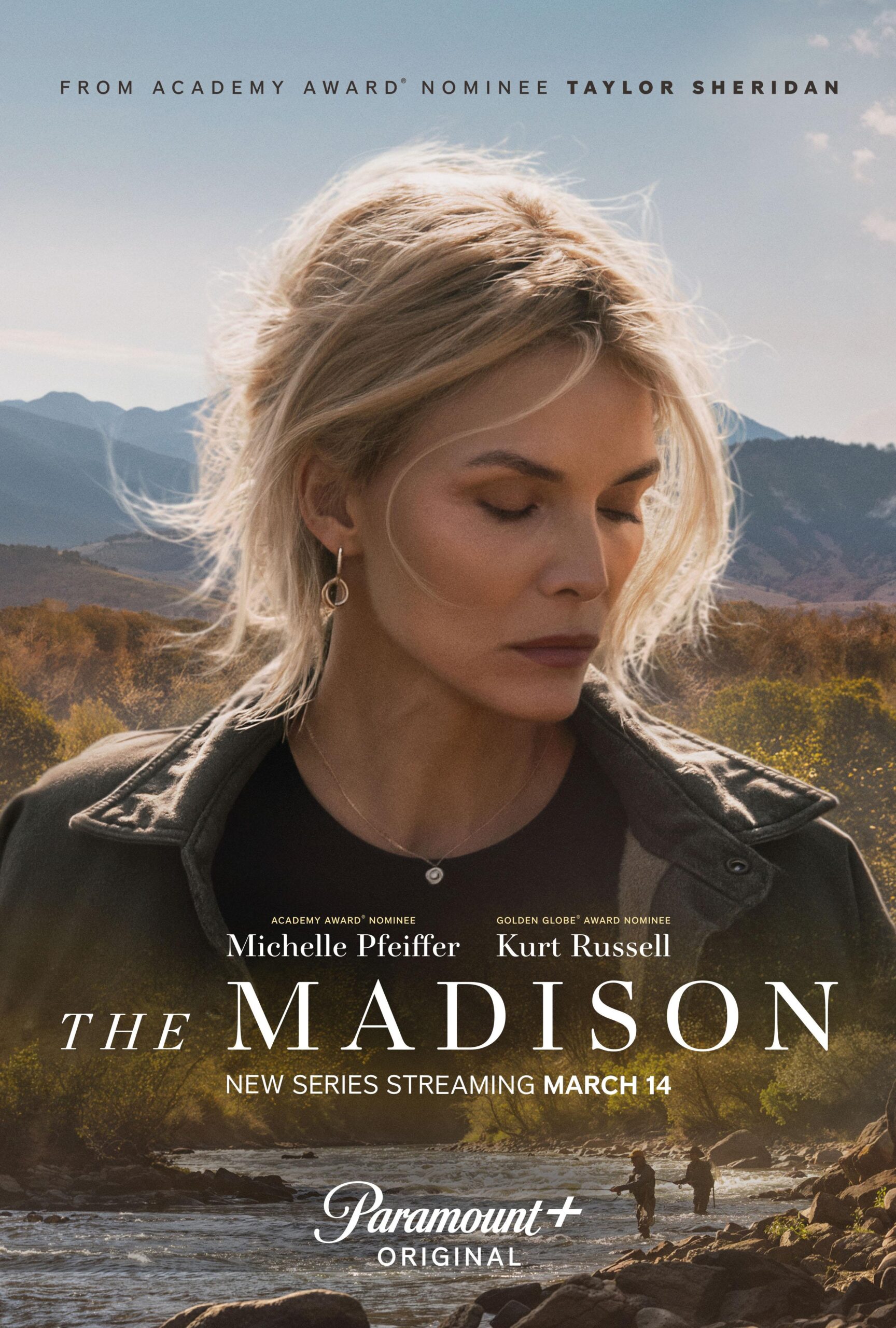
The Madison is more than a story about loss. It is a story about love, legacy, and how to truly know someone. Sometimes the clearest way to understand a person is to understand what they loved most.